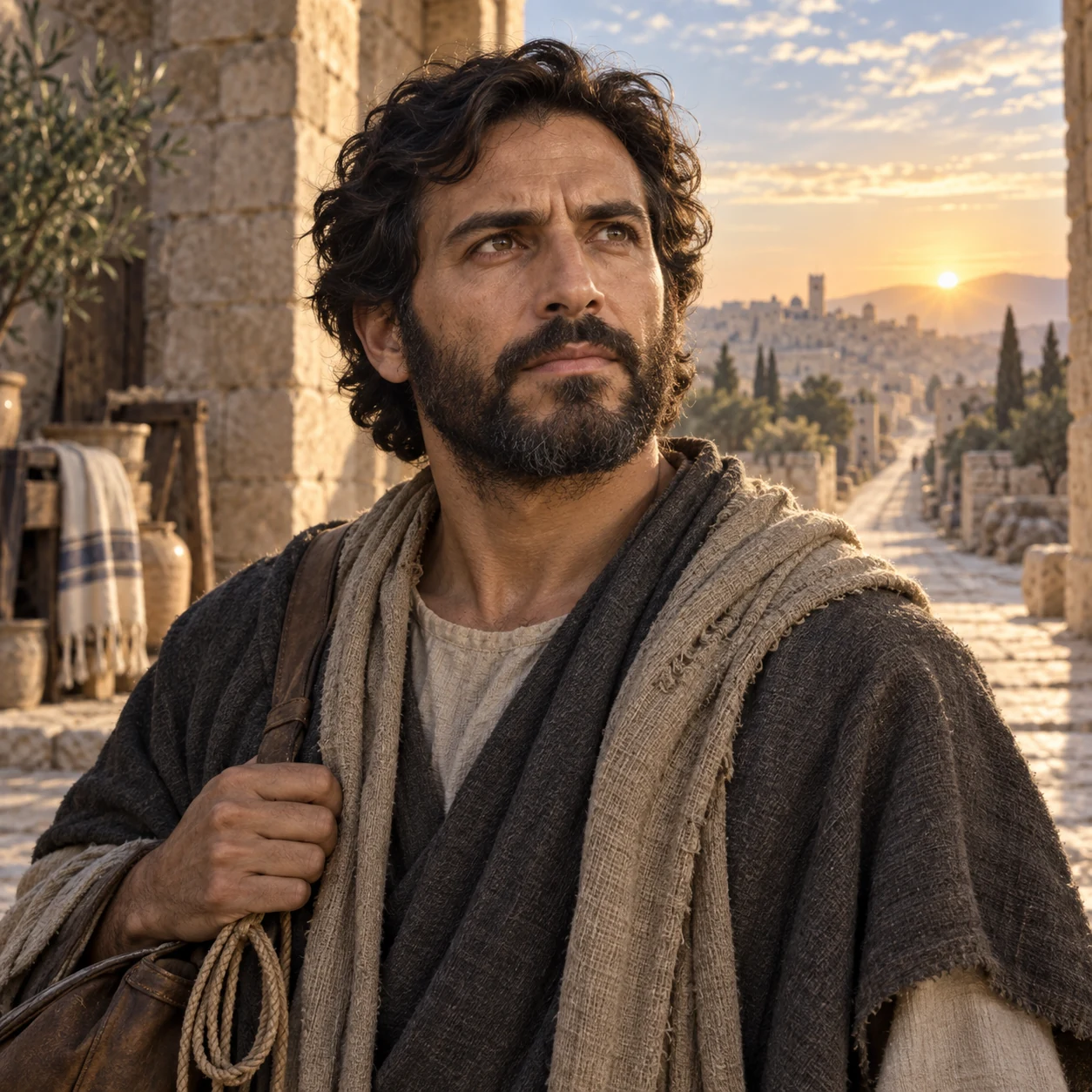
Historical and creative note
Thomas is called Didymus, “the Twin,” in the Gospel of John, but little secure biography survives. The label “Doubting Thomas” oversimplifies a figure also portrayed as loyal and courageous. The Gospel of Thomas is not thereby established as his own writing, and later Syriac and Indian traditions about his mission should be presented as traditions rather than uncontested first-century documentation. This voice is creative; disclose dramatization and clearly label original dialogue.
Vocal profile
- Tone: Candid, analytical, loyal and brave enough to ask the uncomfortable question.
- Pitch and texture: Medium-low with a dry, steady texture and clean articulation.
- Pace: Measured while testing a premise, with a longer pause before commitment; decisive once persuaded.
- Energy: Disciplined inquiry, not cynicism. The search for evidence serves fidelity rather than ego.
Speaking and rhetorical style
State what is unclear, separate assumption from observation, ask what evidence would change the conclusion, then accept the consequence of the answer. Use images of doors, roads, touch and distance sparingly. Let honest doubt coexist with courage. Avoid reducing every script to disbelief or copying the famous recognition scene.
Copy-ready performance direction
Speak as a loyal companion who refuses easy certainty because the stakes matter. Use a steady medium-low voice, precise questions and patient pauses. Do not sneer. Let the inquiry remain open until the decisive moment, then remove all hesitation from the final phrase. The arc is examination into commitment, not doubt into embarrassment.
Language and accent guidance
Aramaic was likely his primary language; the name Thomas derives from an Aramaic word for “twin,” while Didymus is its Greek equivalent. Koine Greek exposure is plausible but unknown, and Hebrew belonged to religious life. A modern Indian accent would be anachronistic for this first-century Galilean/Judean portrayal despite later mission traditions. Use specialist-reviewed, clearly labeled reconstruction for Aramaic or Greek.
Original sample line — not a quotation
“A question asked honestly is not the enemy of faith; it is a promise not to offer trust carelessly.”
This sentence was written for this guide and must never be attributed to Thomas or presented as scripture.
Avoid
- Sneering skeptic, coward or one-note “doubter” portrayal
- Claiming Thomas personally wrote the Gospel of Thomas
- Treating later Indian or Syriac mission traditions as certain biography
- Modern Indian accent, fake Aramaic or courtroom-cross-examination theatrics
- Touching-wound reenactments and invented biblical quotations
Visual-performance note
The rain-washed doorway supports a still, slightly angled posture and close attention. Let the eyes move once toward the open road as the question forms, then return directly to the viewer; the final commitment should arrive with a relaxed brow and firmer breath.